
When your heating unit works, the thought of paying for a service call seems unnecessary. However, not performing maintenance each year can be one of the most costly choices a homeowner can make. Itaccumulates over the years.
Here is exactly what happens when you skip annual maintenance over time.
Energy costs rise
The first cost of not maintaining is very much on the energy bill. Over time, dust and debris accumulate on the:
Read More: Why Is This Studio Apartment an Excellent Option for Rent?
- Filter
- Burners
- Heat exchanger
- Blower components.
Filters become clogged. Lubrication is lost in moving parts. As a result, the system has toexpend more effort for work it does so easily.
An inefficient heating unit costs much more to operate than a properly-tuned unit. Sometimes as much as one-third more, depending on industry estimates.
Parts wear out before their time
Each part of a heating system has a specified life, based on reasonable maintenance. Without it, that lifespan is greatly reduced. For example:
- The blower motor has to work harder to overcome the decreased flow of air. It wears down faster.
- Dirty burners are unable to light cleanly. More ignition attempts with each cycle lead to their degradation.
- Belts start to crack and dry out.
- Without proper lubrication, bearings start to wear out.
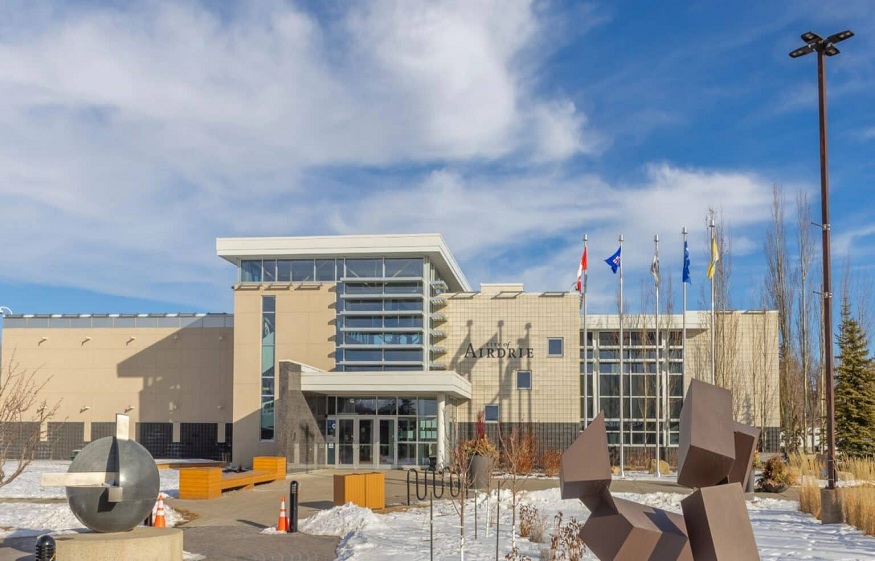
What would have been a minor furnace repair Airdrie or cleaning in a routine service is now a replacement of components.
Carbon monoxide levels can rise substantially
The heat exchanger is a safety device. It isolates combustion gases from the indoor air. However, it cracks over time. This is because it is subjected to heat and cools with each cycle.
A crack can remain undetected for a long time. This is very dangerous. It allows CO to build up silently in the home.
A working CO detector is important for any home equipped with a gas heating system. However, it should not be regarded as a replacement for the periodic checks.
The system becomes more and more unreliable
An older heating system that’s been neglected for years is erratic. Components that are long overdue for a change can fail at any time. For example:
- Dirty components reduce airflow.
- Overheating causes safety switches to trip with greater frequency. This increasesshort cycling.
- Lockouts start to happen regularly.
This leaves you in a never-ending cycle of reactive repairs.One component fails and is replaced only to have another component fail soon afterward.
Read More: A Log Cabin State of Mind
The unit dies prematurely
A properly maintained heating system can last 15 to 20 years. A neglected one may struggle to reach ten. This is caused by a combination of:
- Inefficiency
- Premature component life
- Mechanical stress
- Undetected safety problems.
This forces a complete system replacement years early.
The bottom line
Simple preventative maintenance can ensure everything is continuously working well.
 Optimizing Your Home’s Wastewater Ecosystem: Why Small Problems Become Big Ones
  Why Luxury New Construction Is Thriving in Houston
  Why Quartz Is Becoming the Go-To Surface for Modern Homes
  Expert Tips for Choosing the Right Trade Show Moving Company