

Planning a move is challenging enough, but coordinating multiple stops—whether for pickups, drop-offs, or storage transitions—adds an extra layer of complexity. Families combining households, businesses moving between temporary spaces, and long-distance relocations with staggered timelines all face the same issue: how do you keep everything organized and on schedule?
A multi-stop move can run smoothly, but only if you take a strategic approach and prepare ahead of time.
Map Out Every Stop Early
The foundation of a successful multi-stop move is clarity. Before you begin collecting boxes or scheduling movers, outline each location involved and the purpose of the stop.
Consider documenting:
- Pickup points for furniture or equipment
- Drop-offs for items going to different homes, offices, or storage units
- Locations where items need to be delivered first for accessibility
This early mapping helps your moving team plan an efficient route, anticipate time requirements, and make sure they bring the right equipment for each stop.
Communicate Special Instructions for Each Location
Each stop may come with its own set of rules, challenges, or preferences. The more your movers know ahead of time, the better they can manage the day’s logistics.
Clarify details such as:
- Gate codes or restricted access hours
- Tight hallways or stair-only buildings
- Loading dock availability
- Whether items need to be staged in a certain room or area
Providing clear instructions prevents delays and ensures items are unloaded in the right order and locations.
Pack and Label with Multi-Stop Delivery in Mind
When your belongings are headed to different places, labeling becomes even more critical. Instead of simple room labels, consider adding the stop number or destination name to each box.
For example:
- Stop 1 – Storage: “Storage – Bedroom Decor”
- Stop 2 – New Home: “Home – Kitchen Essentials”
Other helpful labeling strategies include:
- Color-coding each stop
- Grouping items on the truck by destination
- Creating a master inventory list that aligns items with each location
This organization minimizes confusion and saves time at each unloading point.
Build a Realistic Timeline
Multi-stop moves take longer than standard point-to-point moves, so setting a realistic schedule is key. Account for:
- Travel time between locations
- Traffic or unexpected delays
- Elevator holds or long walking distances
- Additional assembly/disassembly needs at each stop
If possible, avoid scheduling time-sensitive commitments on your moving day. A buffer helps keep the move stress-free even if something runs long.
Work With a Moving Partner Experienced in Complex Logistics
Not all moving companies handle multi-stop moves with the same level of expertise. Choose a team that understands route planning, detailed coordination, and the importance of communication at every stage. An experienced mover can help you streamline the process, prevent scheduling conflicts, and avoid costly missteps.
If you’re looking for a reliable partner for a multi-stop or multi-phase relocation, Chipman Relocation offers the skill and resources to manage even the most complicated moving plans.
Final Thoughts
A multi-stop move doesn’t have to be overwhelming. With clear planning, structured labeling, and consistent communication, you can keep every part of the journey organized. The right moving partner will support your schedule, protect your belongings, and make a complex relocation feel just as smooth as a single-destination move.
 A Log Cabin State of Mind
  Reasons to Consider a Concrete Patio for Your Outdoor Space
  7 Things Every Homeowner Should Know About Radon Testing
  Holiday Fun at Home: Enhancing Family Activities with Reliable Battery Backup
 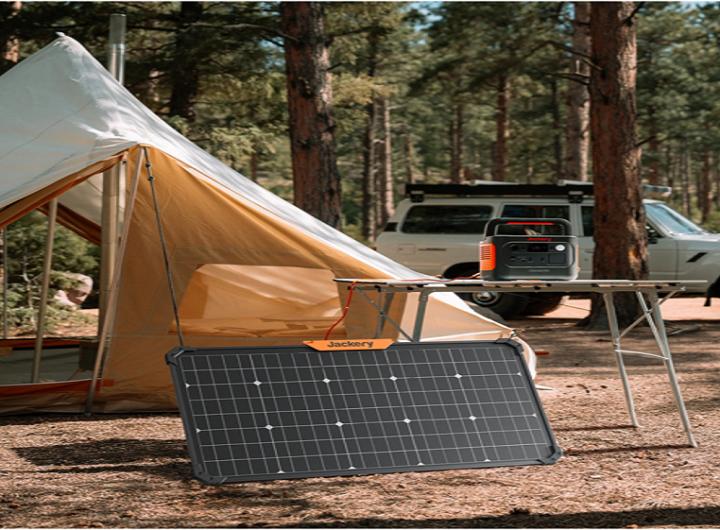 Why a Solar Charger is Essential for Charging Your GPS on Mountain Climbs
  Tips for Downsizing Before a Move: What to Keep and What to Toss
  Expert Tips for Choosing the Right Trade Show Moving Company
  Designer Kitchens & Bathrooms: How to Choose Style That Truly Works for You
  How Often Should You Vacuum Your Carpet?
  Myths about Pest Control Services in Clermont: You Need the Experts!