
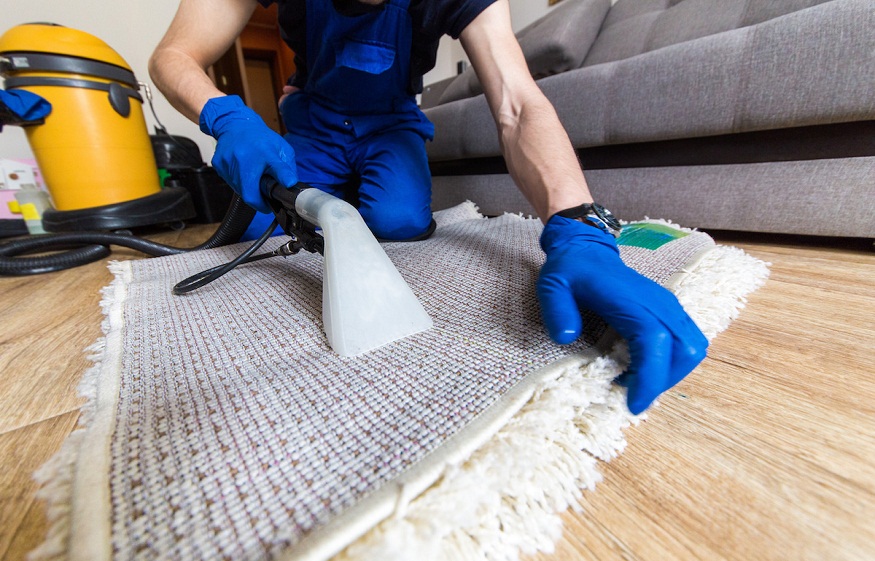
How often you should vacuum your carpet depends on how your home is actually lived in, not on a single rule that suits everyone.
If you get the rhythm right, you can protect the fibres, prevent dust from settling, and make the room feel lighter underfoot.
With this in mind, a simple plan that matches your daily life will keep your flooring looking good for far longer.
Read Your Home’s Footfall and Set a Realistic Pace
Start with what reaches the carpet each day.
A quiet flat where shoes come off at the door will hold its freshness for longer than a busy family home where people drift in from the garden, the street, and the school run.
If you live alone or with one other person, a thorough weekly vacuum is usually enough to stop grit from grinding into the pile.
Read More : Expert Tips for Choosing the Right Trade Show Moving Company
As the household grows livelier, the timetable should tighten. Children bring in crumbs and fine soil that you don’t always see, yet it settles deep and dulls the surface over time.
Pets add hair, dander, and the odd muddy paw print that dries into stubborn specks. In those homes, vacuuming two or three times a week is a sensible baseline, while the most used areas may need a quick pass more frequently.
Pay attention to what your senses tell you. If the carpet looks flat on the same strip, or if it feels rougher where you walk, the fibres are signalling that dirt is sitting there and needs lifting out.
Map Each Room and Focus Where Dirt Loves to Gather
A whole-house routine feels easier when you stop treating every room as equal. Some spaces collect mess as a result of movement, while others stay calm and protected.
Hallways, stairs, and living rooms catch the bulk of foot traffic, which means they deserve the bulk of your effort.
Bedrooms and spare rooms, meanwhile, tend to cope with a gentler schedule unless you have allergies or pets that sleep there.
It helps to tie vacuuming to the way you move through the week. You might do the high-traffic areas on a weekday evening when the light is fading and the house is quieter, then give the rest a slower, more careful clean at the weekend.
Meanwhile, if you have more than one floor, finishing one level before you move to the next prevents loose grit from travelling through the house in socks and slippers.
Over time, you’ll notice patterns. The strip by the sofa collects biscuit crumbs, the corner near the radiator gathers fluff, and the doorway traps soil like a shallow tray.
Once you know those trouble spots, you can give them a little extra attention without turning cleaning into a full-day event.
Use the Right Method So Each Pass Actually Counts
Vacuuming isn’t just about frequency. Technique decides whether you skim the surface or draw out the grit that makes a carpet look tired.
Move slowly so that the suction has time to work, especially on thicker piles that hide debris between the fibres. A hurried sweep can leave the fine particles behind, and those are the ones that create the dull, slightly grey cast in busy rooms.
Direction matters as well. If you always vacuum in the same line, the pile can settle into a permanent lean, particularly in plush carpets. Changing directions from one clean to the next raises the fibres more evenly and helps loosen what’s lodged at the base.
With stairs, a deliberate approach pays off, since dust gathers where the tread meets the riser, and it can cling there despite repeated cleaning.
Make sure the settings match the carpet. Lower pile carpets generally respond well to a stronger setting, while deeper piles may need their height adjusted so the head glides rather than drags.
If your vacuum has a rotating brush, it can be excellent for sturdy carpets, but it may be too aggressive for delicate strands.
In those cases, a gentler head is the safer choice, and following the manufacturer guidance keeps the finish intact.
Adjust Your Routine as the Seasons Shift Outside
Even a good indoor routine needs seasonal flexibility. In spring, when windows open and soft light pours in, pollen and dust float more freely through the home and settle into carpets.
You may find that rooms start to feel slightly stuffier, even when they look clean. A more regular vacuum at this time can make the air feel clearer, particularly in bedrooms.
Autumn brings its challenges. Crisp leaves crumble into fine fragments near doorways, and damp weather turns soil into a gritty paste that clings to shoes.
A simple habit of vacuuming entrances and hallways more frequently helps prevent that grit from reaching deeper into the home.
In winter, the issue is moisture. If you ignore it, rain and occasional slush can leave carpets slightly damp at the edges, encouraging stale smells. A prompt cleaning, followed by good ventilation, keeps the fibres fresher.
In the same spirit, think about your calendar. If you’re hosting guests, the floor covering will face heavier traffic, and a thorough clean beforehand helps it look brighter.
Protect Your Breathing Space by Cutting Allergens at the Source
Carpets hold warmth and soften sound, yet they also act like a filter for the home. Dust mites, pollen, and pet dander settle into the pile and can be stirred up again as you walk.
If you wake with a tickly throat or your nose feels blocked indoors, the carpet may be part of the reason. More regular vacuuming, paired with the right equipment, can reduce the load noticeably.
A vacuum with a HEPA filter is worth considering if allergies are a concern, since it captures tiny particles that would otherwise be blown back into the air.
Emptying the container or changing the bag before it overfills also matters, because suction drops when the airflow is restricted.
Filters need attention too, as a clogged filter can make a vacuum less effective while leaving the room feeling dusty.
You can support the effect through small habits that fit naturally into daily life. Taking shoes off at the door reduces what reaches the pile, and shaking doormats outside keeps gritty debris from spreading.
Recognise When Vacuuming Is Not Enough and Refresh the Pile
No amount of regular vacuuming will solve every problem. Some soils bond to weaves, and some stains attract more dirt even when they seem dry.
If a room still looks flat and dull after a careful clean, it can be time to reset the carpet rather than simply repeat the same cycle.
Steam and deep extraction can lift embedded grime that a standard vacuum can’t reach, and it can revive the spring of the pile.
Read More : Designer Kitchens & Bathrooms: How to Choose Style That Truly Works for You
You’ll also get better results if you respond quickly to spills. Blotting with a clean cloth, using the right carpet-safe solution, and allowing the area to dry fully prevents the sticky residue that traps more dirt.
If the carpet has started to smell musty, especially near entrances in wet weather, it’s a sign that moisture and soil have sunk deeper than surface cleaning can handle.
There’s no need to panic, yet it’s wise to be honest about the limits of everyday hoovering. A periodic reset through carpet cleaning can restore brightness, extend the life of the fibres, and make routine vacuuming feel easier afterwards.
If you ever feel unsure, a professional assessment can guide you towards the most effective approach for your particular rug.
Conclusion
A good vacuuming routine is one that matches how you live, so the carpet stays fresh without becoming a constant worry.
When you focus on the busiest areas, use the right technique, and adjust with the seasons, you protect both comfort and appearance.
In the end, a little consistency keeps your home healthier, brighter, and more welcoming each day.
 Why Quartz Is Becoming the Go-To Surface for Modern Homes
  Expert Tips for Choosing the Right Trade Show Moving Company
  Designer Kitchens & Bathrooms: How to Choose Style That Truly Works for You
  How Often Should You Vacuum Your Carpet?