
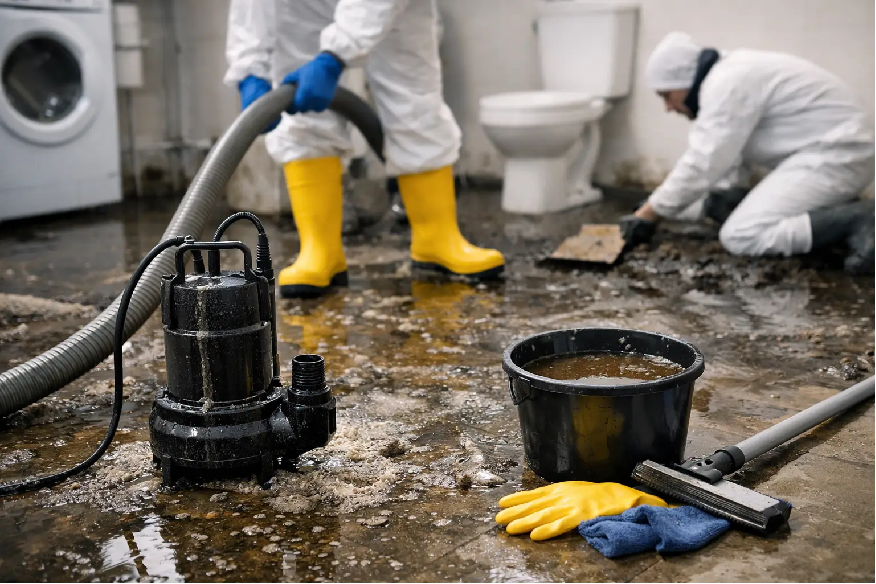
Your drainage system should function without attention. You flush the toilet, empty the sink, or finish a load of laundry, and the wastewater disappears without asking for your attention. As long as your user-end functionality remains smooth, there’s no second thought of what is happening behind the scenes.
But when the flow starts slowing down, even slightly, the entire system begins reacting long before you notice the first warning sign. Knowing how that hidden network works- and having experienced specialists keeping an eye on it- can make the difference between routine maintenance and a repair bill nobody wants to face.
1. Sewer Backups Usually Build in Silence
A blocked sewer line rarely appears out of nowhere. Most backups spend months developing before they finally announce themselves. But they show the signs: slow drains, unfamiliar odor, or mold growth. Unfortunately, most people assume it’s an issue that will solve on its own with time. What if it doesn’t? And in most cases, it will grow rather than disappear.
Read More: Why Luxury New Construction Is Thriving in Houston
Every system with wastewater- washing machine, dishwasher, and toilet sends wastewater through the same underground discharge. Under normal conditions, it flows away without resistance. The trouble starts when that pathway slowly becomes narrower. Water is still moving—but not as freely as before. However, delayed treatment causes imbalance, and the wastewater begins pushing back instead of flowing away.
The causes are often surprisingly ordinary:
- Grease cooling and sticking to pipe walls
- “Flushable” wipes that don’t actually break down
- Mineral deposits reducing the pipe’s capacity
- Aging pipes shifting, cracking, or bending
Most homeowners don’t read the signs until it’s already become an emergency. That’s where diagnosis and treatment experience matters. Plumbing specialists use non-intrusive techniques like sewer cameras and advanced inspection equipment to see exactly what’s happening inside the line. No guesswork.
However, when the unfortunate happens- when you see the sewage water backing up instead of down- calling sewage damage cleanup services experts isn’t just about convenience; it’s about protecting your family’s health, your home’s structural integrity, and your financial investment. Here are the four primary reasons specialists are essential:
2. Sometimes the Pipe Isn’t the Problem, What’s Around It Is
Not every drainage issue begins inside the plumbing. Some start quietly in the soil surrounding it.
Trees are constantly searching for moisture. A tiny crack or slightly separated pipe joint is often all it takes for small amounts of water vapor to escape into the ground. While it’s invisible to us, nearby roots detect that moisture and slowly grow towards it.
Once they find an opening, they keep growing. The roots spread through the pipe, creating a natural trap that catches paper, grease, and everyday waste. What begins as a few fine strands eventually becomes a dense mass capable of restricting the entire line.
Experienced drainage specialists solve the issue by addressing both the blockage and its cause through services such as:
- Sewer camera inspections
- Precision root removal
- Hydro-jet cleaning
- Trenchless pipe repair or relining where required
Clearing the roots restores the flow. Repairing the damaged section prevents the cycle from starting all over again.
3. The Best Plumbing Repair Is the One That Is Not Shouting
Experts will tell you: in plumbing, prevention beats an emergency every single time. For example, if toilet blockage becomes consistent, delaying professional treatment can lead to a sewage backup menace, even in your kitchen sinks.
Read More: Why Quartz Is Becoming the Go-To Surface for Modern Homes
However, no two properties age in exactly the same way. Soil movement, mature trees, pipe materials, and everyday household use all place different demands on a drainage system. That’s why experienced professionals focus on the condition of the system itself instead of offering the same maintenance plan to everyone.
Preventative care often includes:
- Routine sewer camera inspections
- Hydro-jet cleaning before restrictions develop
- Drain strainers to reduce everyday debris
- Backwater valves for added flood protection
These aren’t simply maintenance tasks—they’re practical ways of extending the life of the entire drainage system while avoiding the disruption and expense that come with unexpected failures.
In essence, when it comes to best practices in plumbing maintenance and repairs, the true value goes far beyond clearing a simple clog or saving on an emergency callout fee. It’s restoring your entire drainage system, transforming your home from a vulnerable liability into a resilient, protected asset. However, when serious issues hit, only serious plumbers are up to the task. Sewage backup solutions can only be handled efficiently by specialized cleanup services equal to the task.
 Optimizing Your Home’s Wastewater Ecosystem: Why Small Problems Become Big Ones
  Why Luxury New Construction Is Thriving in Houston
  Why Quartz Is Becoming the Go-To Surface for Modern Homes
  Expert Tips for Choosing the Right Trade Show Moving Company