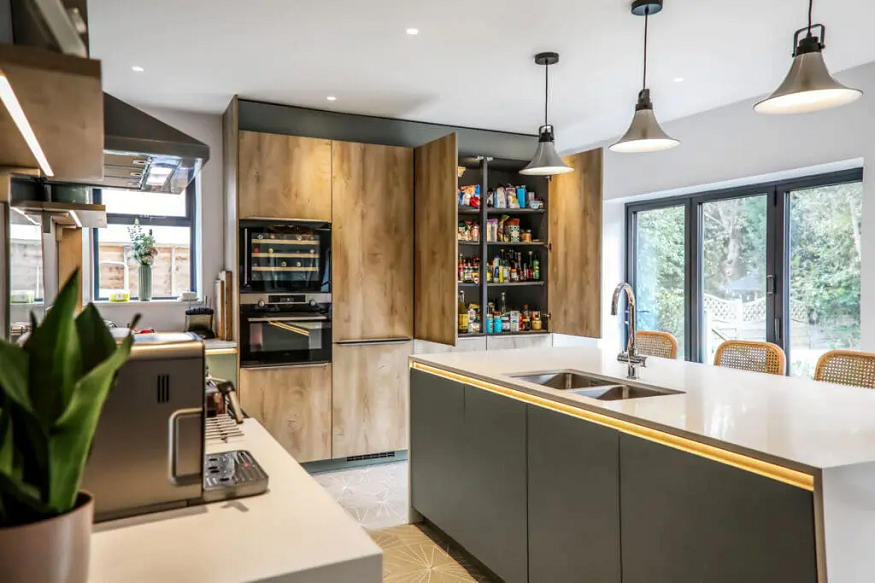
Designer kitchens and bathrooms are often spoken about as if they sit in a world of glossy perfection that’s out of reach for everyday living. The truth is far more interesting. A well-planned designer space isn’t simply about expensive finishes or eye-catching features. It’s about thoughtful choices, functional creativity, and products that feel just as good to use as they look.
Before we go any further, it’s worth noting that expert guidance can make a powerful difference when considering a designer kitchen or bathroom. You will find this level of service from specialists such as Torben Schmid Kitchens in Cornwall, who offer a detailed and professional kitchen design process, and At Home Bathrooms, a respected online bathroom retailer known for high-quality products and attentive support.
If you want your kitchen or bathroom to look refined while still feeling natural to use every day, this guide takes you through the features, design principles, and product choices that define a genuinely designer space.
Read More : Reasons to Consider a Concrete Patio for Your Outdoor Space
What Makes a Kitchen or Bathroom Truly “Designer”?
A designer kitchen or bathroom isn’t defined by one style. It’s defined by clarity of intention. When every part of the layout, every product choice, and every material has a purpose, the result feels seamless.
A designer space usually features:
- Proportion and balance rather than overcrowding
- Considered surfaces chosen for durability as well as style
- Professional product pairing so finishes and textures complement each other
- Smart functionality that supports how you live day to day
- Clear design vision instead of a collection of trend-led ideas
You’re not just choosing fixtures and fittings; you’re shaping rooms that work in your favour for many years.
Why Designer Products Make a Noticeable Difference
Designer kitchen and bathroom products stand out because they solve problems elegantly. In kitchens this may mean storage that feels effortless to access or lighting that adjusts with the room’s mood. In bathrooms it might mean brassware with smoother motion, doors that close with precision, or a bath that is sculpted to support the body naturally.
Designer products also tend to deliver:
- Better longevity
- More stable finishes
- Improved ergonomics
- Consistent performance
- Visible refinement in small details
When you interact with them, you feel the difference instantly. It’s this combination of beauty and purpose that separates designer spaces from standard builds.
Designing a Kitchen: What Sets a “Designer Kitchen” Apart?
- Layout Built Around Movement
A designer kitchen always begins with movement. Before you think about colours or handles, consider how you cook, where you prepare food, how you clean up, and how many people share the space. A designer layout supports this naturally so you don’t feel constrained in your own kitchen.
Look for:
- Clear preparation zones
- Logical routes between cooking and cleaning areas
- Storage positioned exactly where you need it
- Surfaces sized for how you really work
You’re designing a space that makes every routine easier.
- Materials Chosen for Modern Living
Many designer kitchens pair texture with practicality. You may love the look of wood grain, ultra-matt lacquer, or stone-effect finishes. The question is how they behave day to day.
High-end brands often offer improved resistance to fingerprints, impact, moisture, or UV fading. This helps you maintain a beautiful kitchen without constant upkeep.
When choosing materials, ask yourself:
- Does it feel pleasant to touch?
- Will it show marks easily?
- Does it need specialist cleaning?
- Does it complement the light in the room?
The most stylish options are those that feel effortless to live with.
- Designer Storage That Actually Reduces Clutter
Designer storage isn’t about adding more cupboards. It’s about making space feel logical. Deep drawers, internal pull-outs, corner solutions, and anthracite interiors are all signatures of well-designed kitchens.
You should expect:
- Full-extension drawers for clear visibility
- Smooth, controlled movement
- Interiors that still look refined when open
- Storage that reduces steps rather than adding them
If a solution looks good but slows you down, it isn’t truly designer.
- Lighting Used as a Design Tool, Not Just Illumination
A designer kitchen expert such as Torben Schmid Kitchens in Cornwall understand the importance of layering light. Task lighting energises you during food preparation. Ambient lighting softens evenings. Accent lighting picks up tone and texture in furniture and worktops.
This layered approach helps you feel in control of the atmosphere in the room at all times. It’s especially important if your kitchen is part of an open-plan living area.
- Appliances That Support Both Style and Routine
Designer kitchens pair appliances for visual harmony. This might include matching black glass fronts, stainless trims, or consistent handle profiles. Look for features that genuinely support your lifestyle such as flexible induction zones, venting hobs, quiet dishwashers, or multifunction ovens with intuitive controls.
High-level appliances should offer:
- Ease of use
- Energy-efficient performance
- Quiet operation
- Predictable results
A beautiful appliance is meaningless unless it works reliably.
Designer Bathrooms: Where Function Meets Calm
Bathrooms feel different when the products are thoughtfully chosen. Even small changes in quality make a noticeable difference to time spent getting ready, unwinding in the evening, or supporting busy family routines.
Here’s how to define a designer bathroom and choose products that elevate the space.
- Precision Matters in Every Product Choice
Certain bathroom brands have built strong reputations because they combine engineering with style. Designer bathrooms often include:
- Merlyn showers for refined enclosure design and smooth door movement
- Burlington for traditional styling with modern reliability
- Charlotte Edwards for statement freestanding baths
- Roca for durable sanitaryware and elegant lines
- Durapanel for contemporary wall panelling that requires minimal maintenance
These brands deliver comfort, practicality, and aesthetic harmony.
- Shapes and Lines Define the Character of the Space
Bathrooms tend to be smaller than kitchens, which means shape plays a vital role. A square basin gives a more architectural feel. A soft, curved bath creates relaxation. A slim vanity helps the room feel larger.
A designer bathroom pays attention to:
- Rim thickness
- Tap positioning
- Shower frame proportions
- Storage depth
- Colour temperature of lighting
Small adjustments make a big difference to overall atmosphere.
- Textures That Support Everyday Comfort
Designer bathrooms now use texture in more expressive ways. Brushed brass taps, matt black frames, stone-effect panels and soft-touch vanity finishes create depth without overwhelming the room.
Think about:
- Warmth underfoot
- Low-glare surfaces
- Slip resistance in wet zones
- Comfortable edge profiles on baths and basins
Every texture should add comfort as well as style.
- Bathroom Storage That Calms the Room
A designer bathroom avoids clutter completely. Floating vanity units, recessed shelves, mirrored cabinets, and niche lighting help you keep the room organised without compromising appearance.
Storage becomes part of the architecture rather than an add-on.
- The Role of Lighting in a Designer Bathroom
Light influences everything in a bathroom: how refreshed you feel in the morning, how relaxing the space becomes at night, and even how you perceive colour on skin.
A designer bathroom uses:
- Crisp, bright task lighting at mirrors
- Softer ambient lighting around the room
- Warm tones for evening routines
- Hidden lighting to soften architectural edges
The aim is to make the bathroom feel balanced at every time of day.
How to Choose Designer Products That Truly Suit You
Choosing designer items isn’t about matching a showroom display. It’s about understanding how you live and selecting products that support that. Ask yourself:
- What kind of maintenance am I comfortable with?
Ultra-gloss or polished materials may require more care than textured or matt finishes. - How do I move through these rooms?
If you cook daily, prioritise ergonomic storage. If long baths help you unwind, invest in one that feels supportive. - What atmosphere do I want to create?
Soft and natural? Minimal and structured? Warm and layered? Your visual aim should be clear before choosing products. - Which features will I appreciate every day?
Silent drawer runners, soft-close doors, well-placed charging points, a shower that maintains temperature consistently—these are details that quietly improve life. - Does each choice work with the next?
Designer rooms feel unified. You should see a thread running through colours, textures, lines, and materials.
Final Thoughts: Designer Homes Start with Considered Decisions
When you approach kitchens and bathrooms from a designer perspective, you focus on purpose, comfort, and relevance. You choose products because they serve you well, not because they follow a trend. You create rooms that feel clear and confident instead of busy or mismatched.
Read More : 7 Things Every Homeowner Should Know About Radon Testing
Whether you’re planning a full renovation or refreshing key elements, taking the time to choose thoughtfully will create spaces that feel enjoyable to use every single day.
If you want professional support, experts such as Torben Schmid Kitchens in Cornwall offer precise, design-led kitchen planning, while At Home Bathrooms provide an impressive online range with knowledgeable guidance. Together they show that well-considered design is achievable in any home when you choose the right specialists.
 Why Quartz Is Becoming the Go-To Surface for Modern Homes
  The stunning black kitchen trend.?
  Optimizing Your Home’s Wastewater Ecosystem: Why Small Problems Become Big Ones
  Why Luxury New Construction Is Thriving in Houston
  Expert Tips for Choosing the Right Trade Show Moving Company